
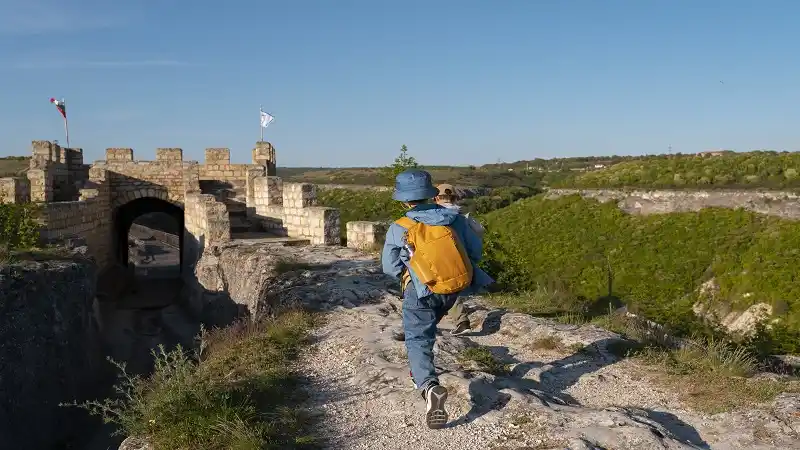
The internet has changed the way people discover places, learn about destinations, and understand the world around them. Instead of depending only on printed maps, travel books, or personal recommendations, people can now explore information through digital platforms from almost anywhere. Location-based information has become especially useful because it connects online content with real places, events, experiences, and communities.
The phrase www onthisveryspot .com can be considered in the broader context of how digital information helps people explore locations and understand what makes particular places interesting. Whether someone is researching a historical site, planning a trip, learning about a neighborhood, or simply discovering something new, location-focused information can make online research more meaningful.
What Is Location-Based Information?
Location-based information refers to digital content connected to a particular geographical place. It can include details about landmarks, historical events, local attractions, public spaces, restaurants, museums, natural areas, and cultural locations.
For example, when someone searches for information about a city, they may want to know more than its population or geographical position. They may also want to discover important buildings, famous streets, local traditions, historical events, and places worth visiting.
Modern technology makes this information easier to organize. Digital maps, online databases, photographs, articles, videos, and location services can work together to give people a clearer understanding of a specific area.
Why Location Matters in Digital Research
Location provides context. The same event, building, or cultural tradition can have a completely different meaning depending on where it happened.
Imagine reading about an important historical event without knowing where it took place. The basic facts may still be understandable, but knowing the exact location can make the story easier to visualize.
This is one reason location-based websites and digital resources can be useful for education and research. They allow readers to connect information with physical places instead of treating every topic as an isolated piece of text.
Exploring Historical Places Online
History is one of the areas that benefits greatly from location-based information. Many important historical events are connected to specific buildings, streets, battlefields, monuments, or cities.
Digital resources can help people investigate these locations before visiting them. Historical photographs, maps, timelines, written records, and modern images can provide additional context.
For students, this type of research can make history more engaging. Instead of simply memorizing dates and names, students can investigate where events occurred and why those locations were important.
Researchers can also use digital location information to compare how places have changed over time. A building that existed hundreds of years ago may look completely different today, while its historical importance may remain.
How Technology Has Changed Location Discovery
Technology has made finding and understanding places much easier. Smartphones now provide access to maps, navigation tools, photographs, reviews, and location information within seconds.
GPS technology is another major development. It allows devices to identify approximate or precise positions and provide directions based on current locations.
Online mapping systems have also changed travel planning. People can examine streets, estimate distances, identify nearby attractions, and plan routes before leaving home.
The growth of digital technology means that location research is no longer limited to professional researchers. Almost anyone with internet access can explore places around the world.
Digital Maps and Interactive Exploration
Digital maps are among the most common tools for exploring locations. Traditional maps provide geographical information, but interactive maps can provide much more.
Users can zoom in and out, switch between different views, search for specific places, and examine surrounding areas. Some mapping tools also provide photographs and additional information.
Interactive maps can be particularly useful when planning trips. A traveler can identify hotels, transportation options, attractions, parks, and restaurants in relation to one another.
This helps people understand the physical relationship between different locations before they actually arrive.
The Role of Photographs and Visual Content
Images can make location-based information much easier to understand. A written description may explain the size, architecture, or appearance of a place, but photographs allow readers to see those characteristics directly.
Historical photographs are particularly valuable because they can show how a location looked in the past. Comparing older photographs with modern images can reveal changes caused by development, restoration, natural processes, or changing social conditions.
Videos can provide another layer of information. A walking tour, documentary, or recorded visit can help viewers understand the atmosphere and layout of a place.
Location-Based Information for Travelers
Travelers often conduct extensive research before visiting unfamiliar destinations. They may investigate transportation, weather, local customs, attractions, safety information, opening hours, and distances.
A location-focused digital resource can make this research more organized by bringing relevant information together.
The phrase www onthisveryspot .com also fits into the wider idea of using online resources to connect people with real-world locations. Such digital exploration can help travelers develop a basic understanding of a destination before making decisions about their itinerary.
However, online information should always be checked for accuracy, especially when dealing with opening times, transportation schedules, entry requirements, or other details that can change.
Educational Benefits of Exploring Places Digitally
Digital location research is not only useful for travelers. It can also support education.
Teachers can use maps, photographs, historical records, and virtual tours to introduce students to places they may never have the opportunity to visit physically.
Geography lessons can become more practical when students explore real locations. History lessons can also become more visual when students examine historical landmarks and the areas surrounding them.
Students can even use location-based research for projects. They might investigate the development of a city, study an important landmark, or compare historical and modern maps.
Understanding Local Culture
A location is more than a point on a map. Places are shaped by the people who live there, their traditions, language, food, architecture, art, and history.
Digital resources can introduce people to cultural details that may otherwise be difficult to discover.
For example, someone researching a particular neighborhood might learn about its historical development, traditional markets, public spaces, local celebrations, and architectural style.
This type of research can encourage greater curiosity about different communities and help people understand that every location has its own story.
The Importance of Accurate Information
While digital resources provide many advantages, accuracy remains important. Information published online is not automatically correct simply because it appears on a website.
Readers should consider the source of information, publication date, supporting evidence, and whether the information has been updated.
This is especially important for historical and geographical topics. Different sources may describe the same event or location differently. Comparing reliable sources can help readers develop a more complete understanding.
When possible, official records, educational institutions, recognized historical organizations, and reputable publications can provide useful supporting information.
Privacy and Responsible Location Sharing
Location technology also creates privacy considerations. Smartphones and online services can collect or use location data for different purposes.
Users should understand which applications have access to their location and review privacy settings when necessary.
Sharing a general location may be harmless in many situations, but sharing precise real-time information publicly can create unnecessary risks. People should think carefully about what information they make available online.
Responsible use of location technology means balancing convenience with privacy.
How Location-Based Content May Develop in the Future
The future of digital location exploration may involve increasingly interactive experiences. Augmented reality, virtual reality, artificial intelligence, and three-dimensional mapping could make digital exploration more immersive.
For example, future users may be able to point a smartphone at an old building and instantly see historical information about it. Virtual environments may also allow people to explore distant locations without physically traveling there.
Artificial intelligence may help organize large amounts of location-based information and present it according to a user’s interests.
These developments could make education, tourism, research, and cultural exploration more interactive.
Combining Online Research With Real Experiences
Digital information is useful, but it does not completely replace physical experiences. Visiting a location personally can provide details that photographs and descriptions cannot fully communicate.
The sounds, surroundings, architecture, weather, atmosphere, and interactions with local people can all contribute to a person’s understanding of a place.
Online research can therefore work as preparation rather than a complete replacement for real-world exploration.
A person can research a location before visiting, use digital tools while exploring, and continue researching afterward to learn more about what they experienced.
Why Context Makes Information More Meaningful
Information becomes easier to understand when it has context. Knowing where something happened can help explain why it happened and what impact it had.
Location provides an important part of that context. It connects stories, people, events, and environments.
For this reason, digital location resources have become an important part of modern information discovery. They bring geographical details together with history, culture, travel, education, and technology.
The growing interest in location-based research reflects a broader change in how people interact with information. Rather than simply reading isolated facts, users increasingly want to explore the connections between information and the real world.
Conclusion
Location-based information has become an important part of modern digital research. Maps, photographs, videos, historical records, and interactive tools make it easier to understand places and their significance.
Whether someone is studying history, planning a journey, researching local culture, or simply exploring unfamiliar parts of the world, digital location information can provide valuable context. www onthisveryspot .com represents the broader concept of connecting online information with specific places and real-world experiences.
As technology continues to develop, digital exploration will likely become even more detailed and interactive. However, accuracy, responsible research, and privacy will remain important. The most useful approach is to combine reliable digital information with critical thinking and, whenever possible, direct experience.
Ultimately, understanding a place means looking beyond its name or coordinates. Every location has a history, environment, community, and story. Digital tools simply provide new ways to discover and understand those connections. Discover more on Onthisveryspot!