
Home
Onthisveryspot .com: Discover the Stories Behind Places Around Us
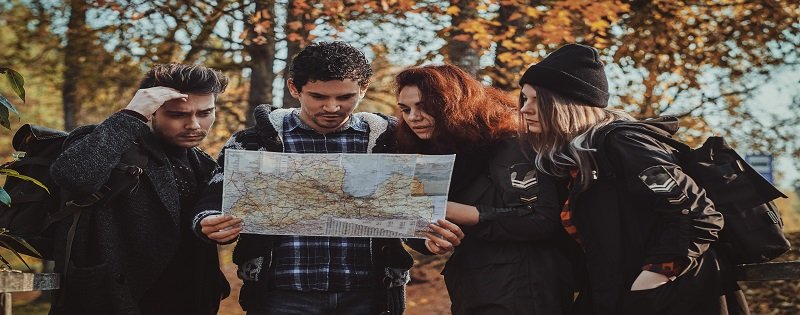
The places we see every day can have interesting stories behind them. A building, street, park, market, or neighborhood may look normal today, but it could have a different past that many people do not know about. Places can change because of new buildings, growing communities, changing businesses, and important events. Today, technology makes it much easier to learn about these changes. People can use maps, photos, online records, and other digital resources to discover information about places around the world. Exploring these details can make learning about history, culture, travel, architecture, and local life much more interesting and enjoyable.
onthisveryspot .com is connected with the simple idea of discovering more about the places around us. Instead of looking at a location only as a name on a map, people can learn about what makes that place special and how it became what it is today. This type of exploration can be useful for travelers, students, history lovers, and anyone who enjoys learning something new. Whether you are researching your hometown, planning a trip, or simply curious about an unfamiliar location, there is always something new to discover. Sometimes, a place that seems ordinary can have a story that makes it much more meaningful.
Every Place Has a Past
History is often associated with famous monuments, ancient civilizations, major wars, and well known historical figures.
But history exists on a much smaller scale too.
A local street can have an interesting origin. A building can have a long history of different uses. A business may have served several generations of customers. A neighborhood can show how a community developed over many years.
These stories may not always receive international attention, but they are still important.
Understanding local history helps people appreciate how everyday environments came to exist.
The places we see today are usually the result of many changes. Buildings were constructed, roads were developed, businesses appeared, and communities grew. Over time, each generation added something new.
The result is the environment we experience today.
Why Location Makes Stories More Interesting
Reading about history can sometimes feel distant.
Dates and names provide useful information, but knowing the actual location of an event can make the story easier to imagine.
When people know where something happened, they can think about the surrounding environment and understand the situation from another perspective.
Imagine discovering that an important event happened in a building you walk past regularly.
That knowledge can make the building feel completely different.
Instead of seeing only bricks, windows, and doors, you begin to see a connection with the past.
This is one of the strongest reasons to connect stories with real locations.
Discovering Your Local Area
You do not have to travel to another country to become an explorer.
Start with your own town or city.
Look for older buildings and landmarks. Find out when they were constructed. Research how the surrounding area looked decades ago. Search for old photographs and maps. Talk to people who have lived there for a long time.
You may discover something unexpected.
A building that seems unimportant may have once served another purpose. A road may have had a different name. A market may have developed from a much smaller collection of shops.
Local exploration can turn an ordinary afternoon into a learning experience.
It also encourages people to pay more attention to the places they normally ignore.
The Value of Historical Photographs
Photography is one of the most useful tools for understanding how places change.
An old photograph can capture details that are difficult to describe in words.
It may show buildings, vehicles, signs, streets, clothing, businesses, and public spaces as they appeared at a particular moment.
Comparing an old photograph with a modern image can reveal dramatic changes.
A building may have disappeared.
A street may have become wider.
A vacant area may have become a busy commercial district.
A neighborhood may have expanded far beyond its original boundaries.
These comparisons help us understand that cities and communities are constantly changing.
A photograph taken today may eventually become an important historical record as well.
Technology Has Changed the Way We Explore
Technology has made researching places easier than ever.
In the past, people often depended on printed books, physical archives, libraries, newspapers, and personal interviews.
Today, a smartphone can provide access to maps, photographs, articles, videos, archives, and other resources within seconds.
Digital maps can help people locate landmarks and understand how areas are connected.
Online archives can provide access to historical material.
Satellite images can show how landscapes have changed.
Photography and video allow people to document locations themselves.
These tools have made geographical and historical exploration available to almost everyone.
Maps Can Tell Stories Too
Maps are normally used for navigation.
However, they can also help us understand history.
The shape and location of streets can reveal how a city developed. Rivers and mountains can explain why settlements formed in certain places. Railway lines can show how transportation influenced economic growth.
Historical maps are particularly interesting because they allow people to compare the past with the present.
A modern city may cover an area that was once farmland.
An old railway line may have disappeared.
A small village may have grown into a large urban center.
By comparing different maps, researchers can see these changes clearly.
Travel Becomes Better With Knowledge
Travel is more than visiting famous attractions.
Learning about a destination before arriving can make the entire experience more meaningful.
A traveler who understands the history of a city may notice architectural details that another visitor overlooks.
A historic marketplace may become more interesting when its role in the community is understood.
An old neighborhood may provide insight into the traditions and lifestyle of previous generations.
This does not mean travelers need to study everything before a trip.
Even a small amount of research can make a major difference.
Understanding the story behind a location allows visitors to experience it rather than simply photograph it.
Preserving Local Memories
Places change.
Old buildings are replaced. Businesses close. Streets are redesigned. New developments appear.
These changes are part of normal growth, but they can also cause valuable memories to disappear.
Preserving local history helps prevent that loss.
Photographs, documents, interviews, maps, newspapers, and personal stories can all contribute to a historical record.
Digital platforms make preservation even easier because information can be stored and shared with people in different parts of the world.
Preservation does not mean that every place should remain exactly the same.
Communities need to develop.
However, remembering what existed before can help future generations understand their roots.
Architecture Can Reveal History
Buildings can tell us a great deal about the time in which they were created.
Their materials, shapes, decorations, layouts, and construction methods can provide clues about local culture and available technology.
An older building may also show how its purpose changed.
A structure that originally served as a residence might later become a business or public building.
These changes are part of its story.
Architecture can therefore be viewed as a physical record of the past.
Even modern buildings may eventually become historical landmarks as future generations look back at the way cities were designed today.
Local Stories Matter
Not every important story becomes famous.
Some stories remain within families or communities.
A local business may have survived for decades. A neighborhood may have experienced an important change. A community may remember a major celebration or difficult period.
These stories provide a different perspective on history.
They show how large changes affected ordinary people.
Local memories can also create a stronger connection between residents and their surroundings.
When people understand the history of their community, they may begin to see familiar places with greater appreciation.
Exploring Through Curiosity
The best discoveries often begin with simple questions.
Who built this?
Why was it built here?
What was this area like before?
Who lived here?
How has this street changed?
Why does this place have its name?
These questions can lead to deeper research.
Curiosity is useful because it encourages people to look beyond the obvious.
You do not need professional training to investigate a location.
You simply need an interest in learning and a willingness to check information carefully.
The Internet and Historical Discovery
The internet has changed how people search for information.
A person can investigate a location from almost anywhere.
Students can research historical places for educational projects. Travelers can learn about destinations before visiting. Residents can explore the history of their own neighborhoods.
Someone searching for onthisveryspot com may be interested in the wider idea of discovering information connected with places and their stories.
However, online information should always be evaluated carefully.
Not every article or social media post contains verified facts.
Historical claims can sometimes be repeated incorrectly. A photograph can be given the wrong date or location. Stories can become exaggerated as they are shared.
Reliable research should therefore involve checking important details against trustworthy sources.
A Note About Search Phrases
People often use unusual combinations of words when searching online.
The phrase onthisveryspot fibertel is one example of how different terms can appear together in search behavior.
A search phrase by itself does not always provide enough context to explain a subject.
This is why readers should focus on the actual information surrounding a term and consider whether the claims can be supported by reliable evidence.
Why Preserving the Past Helps the Future
Understanding history is not only about looking backward.
It can also help us think about the future.
When we understand how cities developed, we can better appreciate the decisions that shaped them.
When we understand why buildings were designed in certain ways, we can learn from earlier approaches.
When we preserve community memories, future generations gain a better understanding of their origins.
History provides context.
Without it, modern places can seem disconnected from everything that came before.
Making Everyday Places More Interesting
One of the most rewarding things about location based discovery is that it can change how people see ordinary surroundings.
A road becomes more interesting when you know how old it is.
A building becomes more meaningful when you discover who used it before.
A park becomes more memorable when you understand its history.
A neighborhood becomes easier to appreciate when you learn how it developed.
This perspective encourages people to slow down and observe.
The world around us often contains more information than we realize.
The Future of Location Based Exploration
Technology will continue to create new ways of exploring places.
Augmented reality could allow people to view historical information while standing at a particular location.
Virtual reality could provide detailed experiences of places that no longer exist.
Digital archives may preserve increasingly large collections of photographs, documents, maps, and recordings.
Artificial intelligence may also help organize and analyze large amounts of historical information.
These technologies can make learning more interactive.
However, technology alone is not enough.
The quality of the information still matters.
Accurate research, reliable records, and responsible storytelling will remain essential.
Frequently Asked Questions
What is the idea behind onthisveryspot .com?
The idea is centered around discovering the stories, history, memories, culture, and experiences connected with specific places.
Why is location important when learning history?
Location provides context. Knowing where an event happened can help people understand the surrounding environment and the communities connected with it.
Can ordinary places have historical value?
Yes. Streets, homes, businesses, schools, parks, and neighborhoods can all contain interesting local histories even if they are not famous landmarks.
How can technology help with historical research?
Digital maps, online archives, photographs, satellite imagery, videos, and mobile devices can make it easier to discover and preserve information about places.
Why should local history be preserved?
Local history helps future generations understand how communities developed and changed. It also protects memories that might otherwise disappear.
Conclusion
The world is filled with stories, and many of them are connected to places that people see every day.
A familiar street may have a history that few people know. An old building may have served a completely different purpose in the past. A neighborhood may have changed dramatically over several generations.
Discovering these stories can transform the way we see our surroundings.
onthisveryspot .com represents the broader idea of connecting places with history, culture, travel, architecture, technology, and human experiences.
Modern technology has made this kind of exploration easier. Digital maps can help us locate places. Historical photographs can show us how they looked in the past. Online archives can preserve valuable records. Modern digital tools can also create new ways to experience locations.
But curiosity remains at the heart of discovery.
Ask questions about the places around you.
Look at old photographs.
Research local buildings.
Learn from community memories.
Compare the past with the present.
Most importantly, verify important information before accepting it as fact.
You may discover that a place you have passed hundreds of times has a story worth knowing.
That is what makes exploring places so rewarding. History is not always hidden inside museums or textbooks. Sometimes it is present in the streets, buildings, landmarks, and communities around us.
Every place has a past.
Every community has memories.
And every generation adds another chapter to the story.
Sometimes, all it takes to discover that story is to stop, look around, and ask what happened right there. See more!
Www Onthisveryspot .Com: Explore the Places Where History Happened
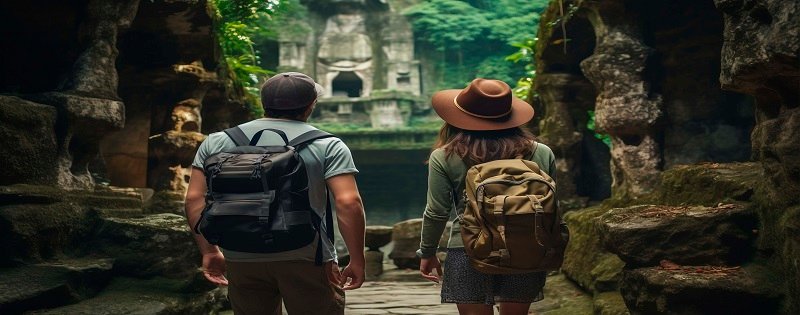
History is not only found in books, museums, or old photographs. It can also be found in the places around us. A street, building, park, bridge, home, or public square may have witnessed events that changed the lives of people who lived there. Many locations look ordinary today, but their past can make them much more interesting.
Www Onthisveryspot .Com is built around the simple idea of exploring places where meaningful moments happened. Learning about a location can help us understand the people, events, and changes connected with it. With modern maps, photographs, digital records, and online information, discovering the past has become easier than ever. Whether you love history, enjoy traveling, or simply like learning new things, exploring the stories behind real places can offer a completely different way to understand the world.
What Makes a Place Historically Interesting?
A place does not need to be famous to have an interesting history.
Some locations become important because a major event happened there. Others are remembered because a notable person lived, worked, visited, or created something there. A location may also become meaningful because it represents an important change in a community.
For example, an old school may show how education developed in an area. A railway station may tell the story of transportation and trade. An old market can provide information about how people worked and interacted with each other.
Even locations that seem simple can contain valuable stories.
The key is knowing what questions to ask.
When was the place created? Who used it? What happened there? How has it changed? Why does it still matter today?
These questions can turn an ordinary location into an interesting historical discovery.
History Becomes Easier to Understand Through Places
Reading about an event is one way to learn history. Seeing the actual place connected with that event can create a stronger understanding.
A location provides a physical setting for the story.
When people know where something happened, they can better imagine the surroundings and circumstances. They can understand how buildings, roads, geography, and nearby areas may have influenced what happened.
This makes history feel less distant.
Instead of thinking about history as something that happened a long time ago in an unknown location, people can connect it with a real place.
That connection can make learning more memorable.
Discovering Places Through Maps
Maps are among the most useful tools for exploring locations.
Traditional maps helped people understand roads, cities, rivers, and borders. Modern digital maps offer much more information.
People can search for specific locations, examine surrounding areas, view satellite images, and sometimes compare different types of geographic information.
Historical maps can be especially useful.
They allow researchers to see how a city or neighborhood looked in the past. Roads may have changed. Buildings may have disappeared. New neighborhoods may have developed.
Comparing older maps with modern ones can reveal how communities have grown over time.
A map is therefore more than a navigation tool. It can also help tell the story of a place.
Old Photographs Can Reveal the Past
Photographs provide another valuable connection with history.
An old photograph can capture details that written descriptions may not mention. Buildings, signs, vehicles, clothing, streets, and public spaces can all provide clues about everyday life.
Looking at an old photograph and then visiting the same location today can be a fascinating experience.
You may discover that a building is still standing but looks different. A street may have become busier. A business may have disappeared. A nearby open space may have been replaced by modern construction.
These changes show how much places can evolve.
They also demonstrate why preserving photographs is important.
Exploring Local History
You do not need to travel far to discover history.
Your own city or town may contain places with fascinating stories.
Start with older buildings or areas that appear different from their surroundings. Search for information about their origins. Talk to people who have lived in the area for many years. Look for old photographs and local records.
Older residents can sometimes remember changes that are not easy to find online.
Their memories can provide useful clues, although personal memories should be compared with reliable records when establishing historical facts.
Local history is valuable because it connects people with their own communities.
It can help residents understand how their neighborhood developed and why certain places became important.
Travel With a Historical Perspective
Travel becomes more meaningful when you know something about the destination.
Before visiting a new city, travelers can learn about its important buildings, historic neighborhoods, cultural traditions, and major events.
This background can change the way a destination feels.
A building is no longer just an attractive structure. It becomes part of a story.
A public square is no longer simply an open space. It may have been a meeting point for generations.
A market may represent decades of local business and community life.
This type of research does not require hours of preparation. Even learning a few important details can make a trip more memorable.
Why Local Stories Deserve Attention
Large historical events often receive the most attention.
However, smaller local stories can be equally fascinating.
A family business that has operated for generations can tell us about changing consumer habits. An old neighborhood can show how families and communities developed. A local building can reveal changes in architecture and technology.
These stories help explain everyday history.
They also remind us that history is created not only by famous people but by ordinary communities.
Every generation leaves something behind.
Buildings, photographs, documents, stories, and traditions can all become part of the historical record.
Preserving Historical Places
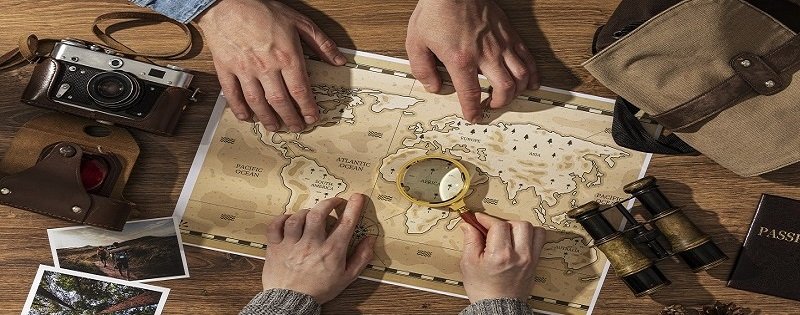
Physical locations do not always survive.
Buildings may be demolished. Roads may be redesigned. Businesses may close. Neighborhoods may change because of development.
When a place disappears, some of its history can disappear with it.
Preserving information about these locations is therefore important.
Photographs, written records, maps, interviews, and digital archives can help maintain knowledge about places that may no longer exist in their original form.
Preservation does not mean that cities should stop developing.
Change is a natural part of life.
The important thing is to remember what came before and make sure valuable information is not lost.
Technology and Historical Exploration
Technology has created new ways to explore history.
People can now research locations from their phones or computers. Digital archives can provide access to old documents. Online maps can help identify locations. Videos and photographs can provide visual context.
Virtual reality and augmented reality may also create new possibilities for historical exploration.
Imagine standing in a modern city and being able to see how the same location looked many years ago through digital technology.
These tools can make history more interactive.
However, technology should support accurate research rather than replace it.
Not every piece of information found online is correct.
Checking Information Before Sharing It
The internet contains a huge amount of historical information, but not everything online is reliable.
A story may be repeated many times without being properly checked. A photograph may be given the wrong location. A historical date may be incorrectly remembered.
Readers should therefore compare important information with trustworthy sources.
This is especially important when researching major historical events or famous individuals.
Good historical research should separate documented facts from personal memories, local traditions, and stories that may have changed over time.
Accuracy makes historical storytelling more valuable.
Making History Interesting for Young People
Historical places can also help younger generations develop an interest in history.
Children and students may find history more engaging when they can connect it with real locations.
A school project about a local building can involve photographs, interviews, maps, and research.
A family trip can become a learning opportunity by visiting a historic area.
Teachers can encourage students to investigate places in their own communities.
This approach can make history feel practical rather than limited to textbooks.
It also teaches valuable research skills.
The Connection Between Architecture and History
Architecture can reveal how people lived in different periods.
The materials used in a building can provide clues about available resources and technology.
The design can reflect cultural traditions.
The size and layout can show how the building was intended to be used.
Even small details such as windows, doors, decorations, and construction methods can tell part of the story.
When people learn to observe architecture carefully, familiar buildings can become much more interesting.
Why Personal Memories Matter
History is not always stored in official records.
People also carry memories of places.
Someone may remember an old shop that no longer exists. Another person may remember a neighborhood before major development changed it.
These memories can add a human side to historical research.
Personal stories should not automatically be treated as verified facts, but they can provide useful leads and help researchers understand how people experienced changes in their communities.
Combining personal memories with photographs and historical records can create a richer picture of the past.
Exploring the Past From Home
Not everyone can travel to every historic location.
Fortunately, modern technology allows people to explore many places from home.
Online photographs, digital maps, historical documents, videos, and virtual tours can provide useful information.
A person can research a location on the other side of the world and learn about its history before ever visiting.
This makes historical exploration more accessible.
It also allows people to plan future trips with a better understanding of the places they want to see.
Finding More Information
People searching for information about this topic may use different search phrases and variations.
For example, some may type www onthisveryspot.com when looking for information connected with the website or its subject.
Others may be interested in finding contact information and search for www onthisveryspot.com email.
Search terms can vary from person to person, but the main goal remains the same: finding useful information and discovering stories connected with places.
Frequently Asked Questions
What is the idea behind Www Onthisveryspot .Com?
The idea is to explore the connection between real places and the events, people, memories, and stories associated with them.
Can ordinary places have historical importance?
Yes. A place does not have to be famous to have an interesting past. Local streets, buildings, businesses, parks, and neighborhoods can all contain valuable stories.
How can I research the history of a location?
You can start with digital maps, old photographs, local records, newspapers, books, archives, and interviews with people who know the area.
Why are historical photographs useful?
Photographs can show how buildings, streets, businesses, clothing, transportation, and public spaces looked at a particular time.
Can technology help preserve history?
Yes. Digital archives, photography, mapping tools, videos, and virtual experiences can help preserve and share information about historical places.
Conclusion
Places are more than points on a map.
They are connected to people, memories, events, communities, and changes that take place over many years. A building can represent a different period of architecture. A street can reveal how a city developed. A local business can show how a community changed. A public space can carry memories shared by generations.
Www Onthisveryspot .Com represents an approach to discovering these connections and looking at familiar places from a new perspective.
Modern technology makes this exploration easier. Digital maps can help locate important places. Historical photographs can show how they looked in the past. Online records can provide valuable information. Personal stories can add human experiences to documented history.
But curiosity remains the starting point.
The next time you walk through your neighborhood, visit a new city, or notice an old building, take a moment to ask what happened there.
You may discover that the place has a much more interesting story than its appearance suggests.
History is not always far away. Sometimes it is waiting on a street you know, inside a building you have passed many times, or in a location that seems completely ordinary.
All it takes is a little curiosity to begin exploring it. See more!
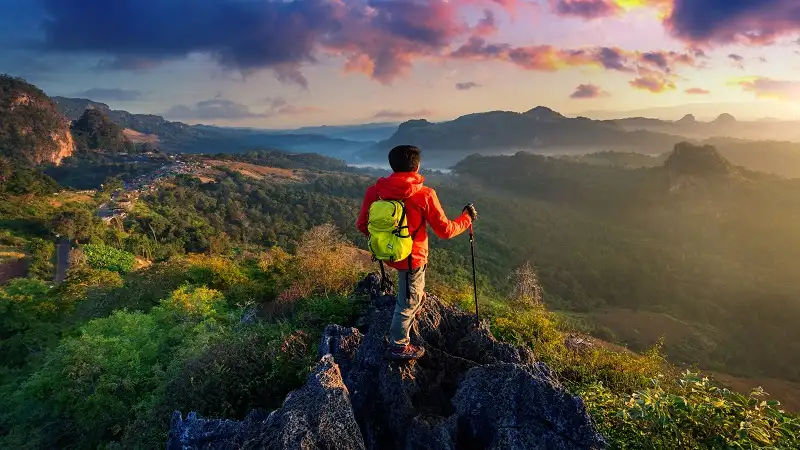
OnThisVerySpot .Com: Exploring the Stories Behind Real Places

Stock Market: How to Make Smarter Investment Decisions
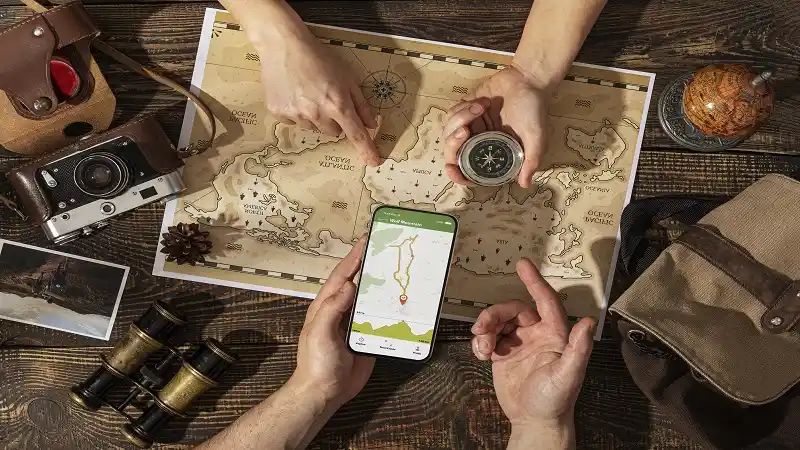
Www Onthisveryspot.com: Exploring Locations and Their History

Onthisveryspot .com Contact Team: How to Get in Touch
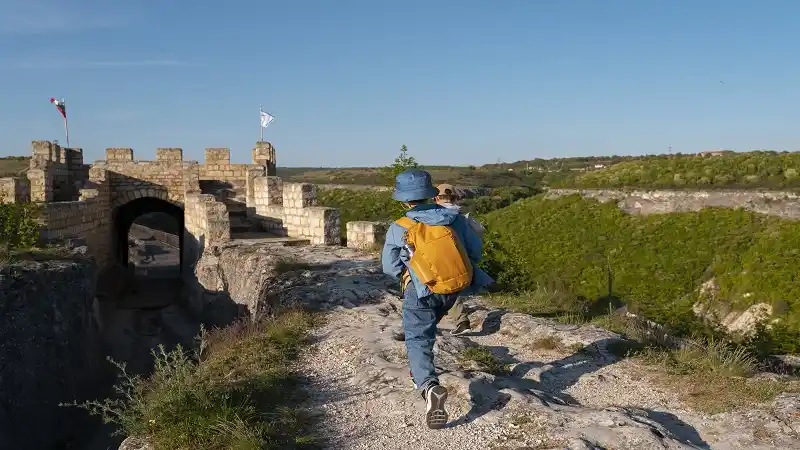
Www Onthisveryspot .Com: Exploring History and Culture

Warhammer Daemonhunters: Tips for Better Gameplay
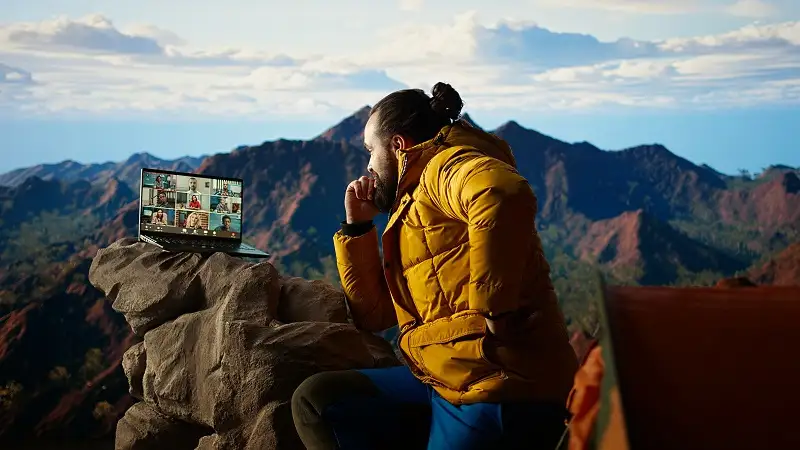
Onthisveryspot Com: Discover Places, Technology and Travel
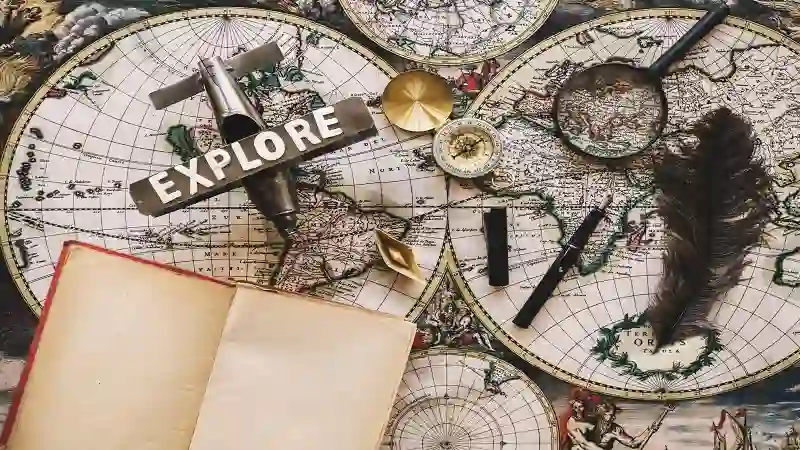
Exploring the Past with Www Onthisveryspot .Com

Smart Home Improvement Ideas for Modern Living
- 1
- 2