
Www Onthisveryspot.com: Exploring Locations and Their History
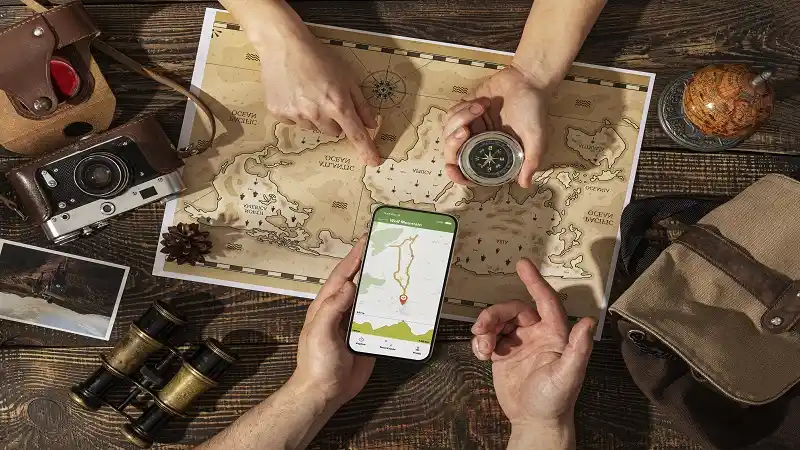
The internet has made it much easier to learn about places, landmarks, historical locations, and interesting destinations around the world. People can now explore information about a location before visiting it, compare different places, and discover details that may not be available through ordinary travel guides. Websites focused on locations can be especially useful because they connect geography with history, culture, and real-world experiences. Www Onthisveryspot.com can be considered in the broader context of how people use online resources to discover and understand different places.
Location-based information is useful for both travelers and people who simply enjoy learning about the world. A person may want to know why a certain place is important, what happened there, or what makes it different from nearby locations. Having this information available online allows users to research destinations at their own pace and decide which places are worth exploring further.
Why Location-Based Information Matters
Every location has a story, even when it may not appear important at first. Streets, buildings, monuments, parks, neighborhoods, and natural areas can all have historical or cultural value. Learning about these places can help people understand how communities developed and how events from the past shaped modern surroundings.
Online location resources make this information easier to access. Instead of depending entirely on printed travel books or local guides, users can search for information whenever they need it. This is particularly helpful when someone is preparing for a trip and wants to understand a destination before arriving.
Exploring History Through Places
History is often easier to understand when it is connected to a real location. Reading about an event in a textbook provides useful facts, but knowing where that event happened can make the information more meaningful. Historical buildings, battlefields, monuments, and old neighborhoods can provide physical connections to important moments from the past.
Web-based location resources can help readers explore these connections. A user might discover the background of a landmark, learn about important people associated with it, or understand how the surrounding area changed over time. This type of information can turn an ordinary location into something much more interesting.
The Role of Online Guides in Travel Planning
Planning a trip involves more than choosing a destination. Travelers often want to know what they can see, how long they should stay, which areas are worth visiting, and what type of experience they can expect. Online guides can make this planning process easier by bringing different types of information together.
A useful location guide can help travelers create a basic plan before leaving home. It may also encourage visitors to look beyond the most popular tourist attractions. Smaller historical sites, local neighborhoods, public spaces, and less-known landmarks can sometimes provide a more authentic experience.
Discovering Places Beyond Popular Attractions
Major tourist destinations usually receive the most attention online, but every city and region has smaller places that deserve recognition. A local park, old street, community building, or historic structure may not appear on a typical tourist itinerary, yet it can still provide valuable insight into the character of an area.
This is one reason location-based websites can be useful. They can encourage people to explore places they might otherwise overlook. Www Onthisveryspot.com fits naturally into discussions about discovering locations through online information, where users can become more curious about the places around them.
Exploring lesser-known locations can also make travel more personal. Instead of visiting only famous attractions, travelers can spend time understanding local surroundings and discovering details that make a destination unique.
How Technology Has Changed Location Research
Technology has transformed the way people research places. In the past, travelers often depended on maps, guidebooks, newspapers, and recommendations from friends or travel agencies. Today, smartphones and computers provide access to maps, images, reviews, historical information, and directions within seconds.
Digital maps are particularly useful because they allow users to understand the relationship between different locations. Someone researching a historical landmark can quickly identify nearby attractions and create a practical route. This combination of information and navigation has made independent travel easier for many people.
Online research is also useful for people who are not traveling. Students, writers, researchers, and history enthusiasts can use digital resources to learn about locations for educational or personal projects.
Connecting Geography With Culture
Places are closely connected to the people who live in them. Architecture, food, traditions, public spaces, and local customs often develop around the history and geography of a region. Understanding a location therefore involves more than knowing its name or coordinates.
A good location-focused resource can encourage readers to look at places from a wider perspective. Instead of simply asking where a location is, users can also ask why it matters, how it developed, and what makes it different from other areas.
This approach can make geographical information more engaging. It also helps readers develop a stronger appreciation for cultural differences and the history behind familiar surroundings.
Using Online Information Responsibly
Although online resources are convenient, users should still evaluate information carefully. Historical details, dates, names, and descriptions can sometimes vary between sources. When researching an important topic, it is useful to compare information from several reliable sources.
Travelers should also check current information before visiting a location. Opening hours, access rules, transportation options, and local conditions can change over time. An older online article may provide useful background but may not contain the latest practical details.
Responsible research means using online information as a starting point while checking important details through reliable and current sources.
Why People Enjoy Discovering New Locations
Curiosity is one of the main reasons people search for information about unfamiliar places. Some users enjoy history, while others are interested in architecture, geography, travel, photography, or local culture. Location-based content can serve all of these interests at the same time.
Discovering a new place can also inspire future travel. A reader may come across an interesting landmark online and later decide to visit it in person. For others, digital exploration may be enough to satisfy their curiosity and help them learn something new without traveling.
This shows why online location information remains valuable. It creates a connection between digital research and the physical world.
Making Location Research More Useful
The best way to research a location is to combine different types of information. Basic geographical details can provide context, while historical information explains the location’s importance. Images can help users understand what a place looks like, and maps can show how it connects with nearby areas.
Travelers can also make notes about practical details such as transportation, visiting times, weather, and local rules. This creates a more complete picture and reduces the chance of unexpected problems during a visit.
As people continue using the internet to learn about destinations, location-based resources will remain an important part of digital research. Www Onthisveryspot.com represents the kind of search phrase associated with this growing interest in discovering places, their stories, and the information connected to them.
Conclusion
Online location research has changed the way people discover history, geography, culture, and travel destinations. Instead of relying only on traditional guidebooks, users can explore detailed information about places before deciding where to go or what they want to learn. This makes the process more convenient and encourages curiosity about both famous and lesser-known locations.
Whether someone is planning a trip, researching history, studying geography, or simply exploring the world from home, reliable location information can provide useful knowledge. With digital resources continuing to develop, discovering the stories behind different places is becoming easier, more accessible, and more engaging for everyone. View more on Onthisveryspot!