
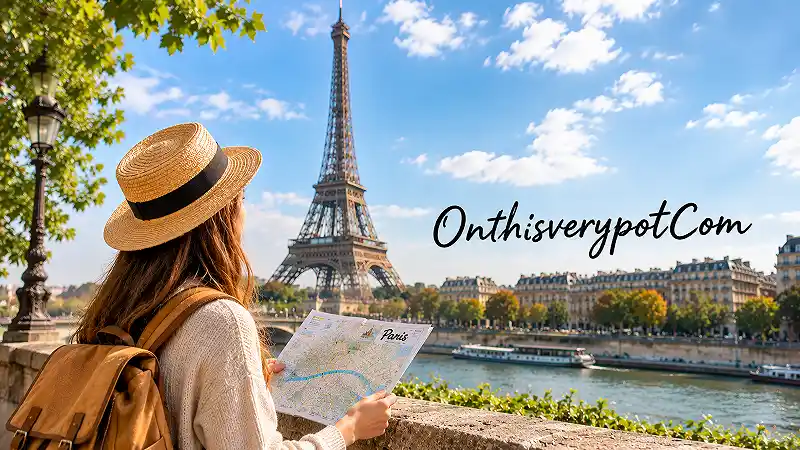
Every place has a story worth discovering. From historical buildings and famous landmarks to quiet streets and beautiful natural locations, the world is full of places connected to interesting events and memories. Exploring these locations helps people understand how communities developed and why certain places became important. Onthisveryspot com reflects the idea of learning about real places, discovering their backgrounds, and understanding the stories that make them special. With the help of digital information, people can explore locations, learn about their history, and develop a stronger connection with the world around them.
Understanding the Stories Behind Real Places
Places are more than points on a map. Many locations have histories that explain how people lived, worked, travelled, and interacted with one another. An ordinary street may have witnessed important community changes, while an old building may represent a particular period in local development.
Learning about these stories makes exploring the world more meaningful. Instead of simply looking at a location, visitors can understand its background and recognize why it matters. Historical information also helps people appreciate the efforts, traditions, and experiences of earlier generations.
Some places are famous because of major historical events, while others are important to smaller communities. Both deserve attention because every location contributes something to the wider story of human life.
Why Local History Matters
Local history helps people understand the identity of a community. It explains how towns and cities changed over time and how different generations contributed to their development. Historical buildings, public squares, old roads, and traditional markets can provide useful information about earlier lifestyles.
For example, an old marketplace may show how people traded goods before modern shopping centres became common. Similarly, a historic railway station can explain how transportation influenced business and communication in a particular region.
Learning about local history also encourages people to protect important places. When communities understand the value of their surroundings, they are more likely to preserve historical structures and pass their stories to future generations.
The Role of Technology in Exploring Locations
Technology has changed the way people discover places and learn about their backgrounds. In the past, travellers often depended on printed guidebooks, physical maps, and local recommendations. These resources were useful, but finding detailed information sometimes required considerable time and effort.
Today, digital maps, online articles, photographs, and historical archives make information easier to access. People can research a destination before visiting it and understand its important features in advance. They can also compare different locations, explore directions, and learn about nearby attractions.
Digital resources have made geographical knowledge more accessible to students, travellers, researchers, and curious individuals. Someone living in one country can learn about a historical location thousands of miles away without travelling there.
Famous Landmarks and Their Importance
Historical landmarks are valuable because they connect the present with the past. They represent different architectural styles, cultural traditions, and important moments in history. Some landmarks are connected to political changes, while others represent artistic achievements, scientific progress, or religious traditions.
Castles, monuments, museums, bridges, and ancient buildings can reveal information about the people who created them. Their designs often reflect the materials, skills, and technologies available during their construction.
Visiting these locations provides an opportunity to observe historical details that photographs and written descriptions cannot fully communicate. Even when a physical visit is impossible, researching landmarks can help people understand their cultural and historical importance.
How Maps Help People Discover New Places
Maps are among the most useful tools for understanding the world. They help people identify locations, plan journeys, understand distances, and find important geographical features. Modern digital maps provide additional information, including roads, public transport routes, nearby services, and directions.
When exploring unfamiliar destinations, accurate maps can reduce confusion and make travel planning easier. People can identify important attractions, choose suitable routes, and estimate how much time they may need to reach different places.
Maps also support historical research. Comparing older maps with modern versions can show how cities expanded, roads changed, and neighbourhoods developed. These differences provide valuable clues about population growth and urban planning.
Discovering Cultural Traditions Through Places
Every location has cultural features that make it different from others. Architecture, food markets, festivals, public spaces, and traditional activities all contribute to a region’s identity. Exploring these details helps people understand how culture influences everyday life.
For example, traditional houses may reflect local weather conditions and available building materials. Public gathering places may demonstrate the importance of social relationships, while historic religious buildings can reveal the artistic traditions of earlier communities.
Exploring these cultural connections encourages curiosity and respect. It also helps travellers avoid treating destinations as simple sightseeing opportunities. Understanding local customs and traditions makes every journey more educational and meaningful.
Learning Through Online Historical Resources
Online resources provide convenient ways to study historical subjects. Digital libraries, museum collections, educational websites, and archived photographs allow readers to investigate places from different perspectives.
A person researching an old building might discover its construction date, original purpose, architectural style, and connection to important events. Reading different accounts can also reveal how a location changed as communities grew and circumstances developed.
However, information should always be checked carefully. Not every online source provides accurate historical details. Comparing reliable publications, official records, museum information, and academic resources helps readers develop a more balanced understanding.
For anyone interested in geographical discovery, Onthisveryspot com represents an approach that combines curiosity about locations with an interest in the events and experiences connected to them.
Responsible Exploration and Preservation
Discovering places comes with responsibility. Historic sites, natural areas, and historic locations can be damaged when visitors ignore local rules or leave waste behind. People should follow signs, avoid touching fragile objects, and stay on marked paths. Visitors should check whether photography is permitted.
Responsible travel means respecting residents and their routines. Learning local customs, speaking politely, and supporting conservation efforts can protect important locations for future generations.
How to Research a Place Before Visiting
Preparation makes visits more enjoyable. Identify the location and check official information, opening hours, access rules, and transport options. Read its background using more than one reliable source. Museum descriptions, historical timelines, and local records provide context.
Consider weather, walking distance, accessibility, and facilities. If a place requires booking or has restricted areas, planning ahead can prevent disappointment. Keeping notes or taking permitted photographs helps visitors remember what they learned.
Curiosity is a useful starting point. A question about an old name, unusual building, or local tradition can lead to discoveries. Onthisveryspot com reflects an interest in connecting places with their histories. Careful research helps readers separate documented facts from assumptions, while Onthisveryspot com encourages people to look beyond simple descriptions.
Conclusion
Real places become meaningful when people understand their stories. Local history, landmarks, maps, cultural traditions, and digital resources offer ways to explore the world. They help people appreciate how communities have changed and why certain locations deserve protection. Whether planning a journey or researching from home, thoughtful exploration turns curiosity into knowledge. By checking reliable information, respecting communities, and protecting historic spaces, everyone can help preserve these stories. Ultimately, Onthisveryspot com reflects the value of discovering the human experiences that give places meaning. Read more on Onthisveryspotcom!